
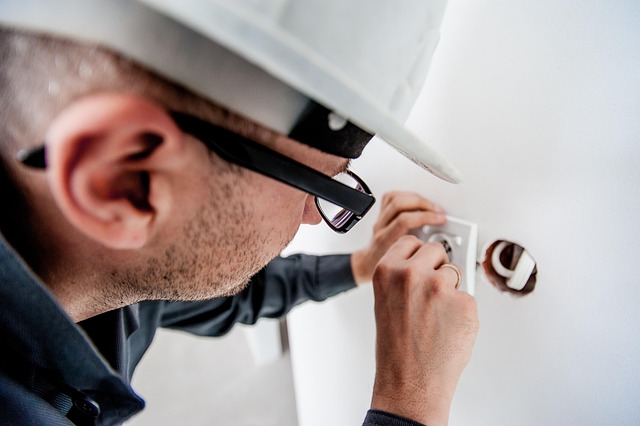
A few years ago, the default advice was simple — go to college, get a degree, figure things out later. In 2026, that path is being questioned more than ever.
I’ve seen more people choosing trade schools, not because they have fewer options, but because they’re thinking more practically about time, cost, and income.
Skilled trades are growing, salaries are improving, and the barrier to entry is often lower. In this guide, I’ll walk you through high-paying trade careers, what it takes to get started, and whether this path makes sense for you.
Why trade careers are growing in 2026
There’s a clear supply-demand gap.
Fewer people entered skilled trades over the past decade, while demand for infrastructure, housing, and maintenance kept increasing.
This created strong job opportunities and steady income growth in many trades.
At the same time, college costs have gone up, making shorter, skill-based programs more attractive.
Top 10 trade careers with strong earning potential
Electrician
Salary: $60K–$90K · Training: 1–2 years · Cost: $5K–$20K
Plumber
Salary: $55K–$85K · Training: 1–2 years · Cost: $5K–$18K
HVAC Technician
Salary: $50K–$80K · Training: 6–18 months · Cost: $5K–$15K
Welder
Salary: $45K–$75K · Training: 6–12 months · Cost: $5K–$15K
Automotive Technician
Salary: $45K–$70K · Training: 1–2 years · Cost: $10K–$25K
Medical Lab Technician
Salary: $55K–$75K · Training: 1–2 years · Cost: $10K–$30K
Construction Manager (trade route)
Salary: $70K–$110K · Training: 2–3 years · Cost: varies
Wind Turbine Technician
Salary: $60K–$85K · Training: 1–2 years · Cost: $10K–$25K
Elevator Technician
Salary: $80K–$110K · Training: 2–4 years · Cost: varies
Dental Assistant
Salary: $40K–$60K · Training: 6–12 months · Cost: $5K–$15K
Salary comparison snapshot
| Career | Avg salary | Training time | Cost |
|---|---|---|---|
| Electrician | $75K | 1–2 yrs | $5K–$20K |
| HVAC | $65K | 6–18 months | $5K–$15K |
| Welder | $60K | 6–12 months | $5K–$15K |
| Elevator Tech | $95K | 2–4 yrs | Varies |
Best trade schools by region (US)
Some trade schools consistently offer strong programs:
- West: Universal Technical Institute (UTI)
- South: Lincoln Tech
- Midwest: WyoTech
- Northeast: Porter and Chester Institute
Focus on placement rates and hands-on training rather than just the name.
How to finance trade school
Trade school is usually cheaper, but financing still matters.
- Federal financial aid (FAFSA)
- State grants
- Employer sponsorships
- Payment plans offered by schools
Many programs allow you to work while studying, which reduces financial pressure.
Is trade school better than college for you?
Trade school fits if you want:
- Faster entry into workforce
- Lower cost education
- Hands-on work
- Stable demand careers
College may fit if you want:
- White-collar careers
- Higher long-term specialization
- Research-based roles
- Broader academic exposure
Quick tips before choosing a trade
- 1Check job demand in your area
- 2Look at long-term growth, not just starting salary
- 3Choose hands-on programs with apprenticeships
- 4Compare total cost and duration
- 5Talk to people already in the trade
The bottom line
Trade schools are no longer a backup option. In 2026, they are a practical, intentional choice.
If your goal is to start earning sooner, avoid large debt, and build a stable career, this path can work well.
It’s not about choosing the “traditional” route anymore. It’s about choosing what fits your goals and situation.
FAQs
Are trade schools worth it in 2026?
Yes, especially for high-demand skilled careers.
Which trade pays the most?
Elevator technicians and electricians are among the highest-paying.
How long does trade school take?
Typically 6 months to 2 years depending on the program.
Can I earn while learning?
Yes, many trades offer apprenticeships.
Is trade school cheaper than college?
Yes, significantly cheaper in most cases.
Share this with someone who thinks college is the only path.