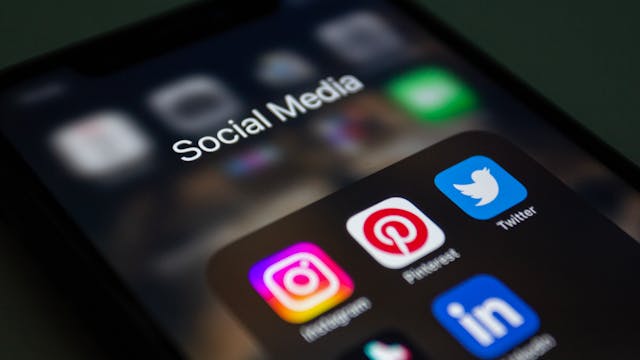
The reality is that every platform now behaves differently. The audience, content style, algorithm, and buying intent all vary more than they did a few years ago.
I’ve noticed that smaller businesses grow faster when they focus deeply on one primary platform instead of spreading attention too thin.
So the real question is not “Which platform is best?” It’s “Which platform fits your business model and audience best?”
Why businesses need to choose platforms carefully now
Social media became far more competitive after AI-assisted content creation exploded.
There’s simply more content fighting for attention every day.
That means businesses now benefit more from consistency and specialization than volume.
Instagram in 2026
Instagram still performs well for visual businesses.
Reels dominate visibility, while Stories remain useful for daily engagement.
| Best for | Content type | Audience | Ad costs |
|---|---|---|---|
| Fashion, fitness, beauty, food | Short-form visual | 18–40 | Moderate |
Businesses with strong visuals and personality-driven branding usually perform best here.
TikTok in 2026
TikTok continues influencing internet culture heavily.
Organic reach can still happen faster here than on many older platforms.
The platform rewards authenticity more than polished branding.
| Best for | Content style | Audience | Growth speed |
|---|---|---|---|
| Entertainment, lifestyle, education | Fast-paced short video | 16–35 | High |
I’ve noticed businesses succeed faster on TikTok when founders or employees appear directly in videos instead of relying only on polished ads.
LinkedIn in 2026
LinkedIn became much more creator-focused over the last few years.
For B2B businesses, consultants, agencies, and recruiters, it’s still one of the strongest organic platforms available.
| Best for | Content style | Audience | Strength |
|---|---|---|---|
| B2B, consulting, recruiting | Thought leadership | Professionals | Trust building |
Personal-brand style posts usually outperform overly corporate content now.
YouTube in 2026
YouTube remains one of the strongest long-term platforms for business marketing.
Unlike fast-moving social feeds, videos continue generating traffic for years.
| Best for | Content type | Effort level | Long-term value |
|---|---|---|---|
| Education, reviews, tutorials | Long-form + Shorts | High | Very strong |
I still think YouTube gives one of the strongest long-term returns for businesses willing to stay consistent.
Facebook in 2026
Facebook’s organic reach declined over time, but it still matters in specific industries.
Local businesses, community-driven brands, and older demographics continue performing reasonably well there.
| Best for | Audience age | Main advantage | Weakness |
|---|---|---|---|
| Local businesses | 30+ | Community groups | Lower organic reach |
Meta advertising also still relies heavily on Facebook’s data ecosystem behind the scenes.
Pinterest in 2026
Pinterest remains underrated for certain niches.
It works especially well for:
- Home decor
- DIY
- Recipes
- Fashion
- Wedding content
Pinterest users often browse with future purchase intent, which makes traffic surprisingly valuable.
X (formerly Twitter) in 2026
X became more niche and conversation-driven.
It still works well for:
- Tech discussions
- Finance communities
- News commentary
- Personal brands
Fast engagement matters more here than polished content production.
B2B vs B2C platform choices
| Business model | Best platforms | Main reason |
|---|---|---|
| B2B | LinkedIn + YouTube | Trust and expertise |
| B2C | Instagram + TikTok | Visual discovery |
| Local business | Facebook + Instagram | Community reach |
| Education business | YouTube + LinkedIn | Long-form trust |
How I’d choose a primary platform
I’d usually ask these questions first:
- Where does my audience already spend time?
- What type of content can I realistically create consistently?
- Does my business benefit from visuals, education, or networking?
Your strongest platform is usually the one matching both your audience and your natural communication style.
How often should businesses post in 2026?
| Platform | Suggested frequency |
|---|---|
| 3–5 times weekly | |
| TikTok | 1–2 times daily |
| 3–4 times weekly | |
| YouTube | 1 long-form weekly |
| Daily pins preferred |
Consistency matters more than extreme posting volume.
Building a cross-platform strategy without burning out
Repurposing content became essential.
One YouTube video can become:
- TikTok clips
- Instagram Reels
- LinkedIn posts
- Email newsletters
- Blog articles
This is how many smaller brands stay active without creating entirely new content every day.
Strengths and limitations of social media in 2026
What works well
- Audience targeting
- Brand visibility
- Community building
- Relatively low startup cost
What gets difficult
- Algorithm unpredictability
- Content fatigue
- High competition
- Consistency pressure
Quick recommendations I’d prioritize
- 1Choose one primary platform first
- 2Match content style to platform culture
- 3Repurpose content aggressively
- 4Focus on consistency over perfection
- 5Use short-form video whenever possible
- 6Build an email list alongside social growth
The bottom line
There is no single “best” social media platform for every business in 2026.
Different platforms reward different strengths, audiences, and content styles.
The businesses growing consistently now are usually the ones that focus deeply on the platforms most aligned with their audience instead of trying to dominate everywhere at once.
That focused approach tends to be far more sustainable.
FAQs
Which social platform is best for B2B marketing?
LinkedIn remains one of the strongest platforms for B2B visibility and trust-building.
Is TikTok still worth using for businesses?
Yes, especially for visual, educational, or personality-driven brands.
Does Facebook still matter in 2026?
Yes, particularly for local businesses and older demographics.
Should businesses be on every platform?
No, focused platform strategies usually perform better.
Which platform grows fastest organically?
TikTok and short-form video platforms still offer strong organic discovery potential.
Which social platform drives the most business for you?